Loading trail…

Upper Hellroaring Trailhead (2N5)
Free — you'll pick up right here.
Watch this trail
Sign up to watch it — saving subscribes you to gate, closure and report changes.
Montana
We won't guess. Here is exactly what we do and don't know.
What we do know
Inside Yellowstone National Park
National Park unit boundary is mapped — agency alerts for it feed this page automatically.
Boundary data
What's missing
No access route mapped
We don't yet know which road reaches this trailhead, so we can't tell you if it's gated.
Nobody's filed a report here yet — be the first.
Upper Hellroaring Trailhead (2N5)
AI-suggested draft · review before you go
No elevation data on file for this trail.
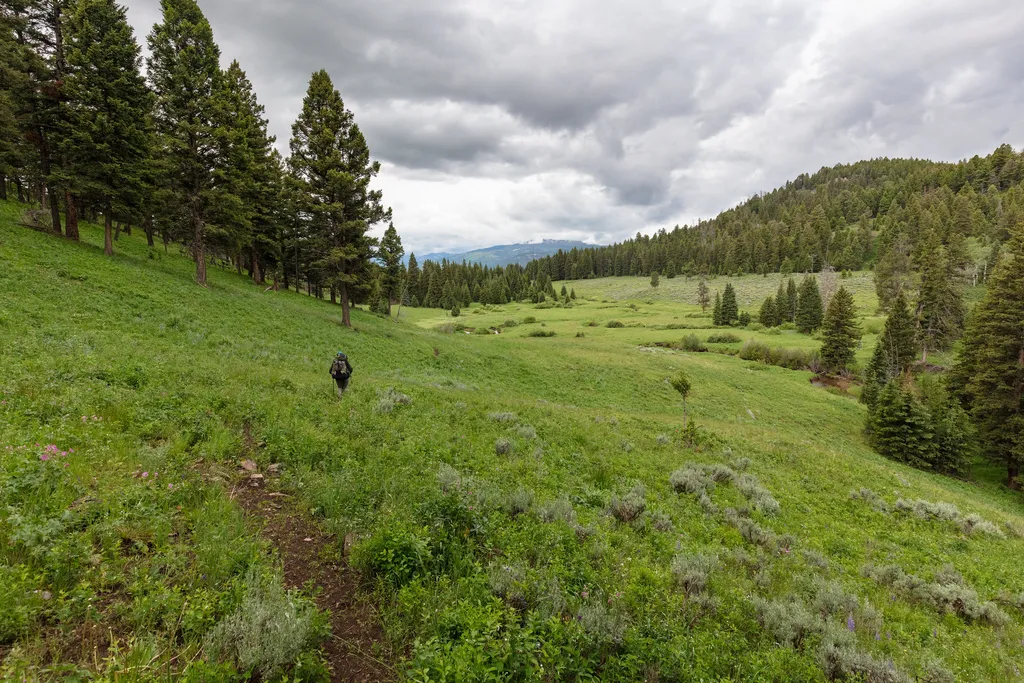
This is a remote trailhead at the northern boundary of the park that is not accessible by road. From this trailhead, you can embark on the following trail within the park: Hellroaring Creek Trail
Coyote Creek Trailhead (2N1)
~3 min drive
This is a remote trailhead at the northern boundary of the park that is not accessible by road. From this trailhead, you can embark on the following trail within the park: Coyote Creek Trail
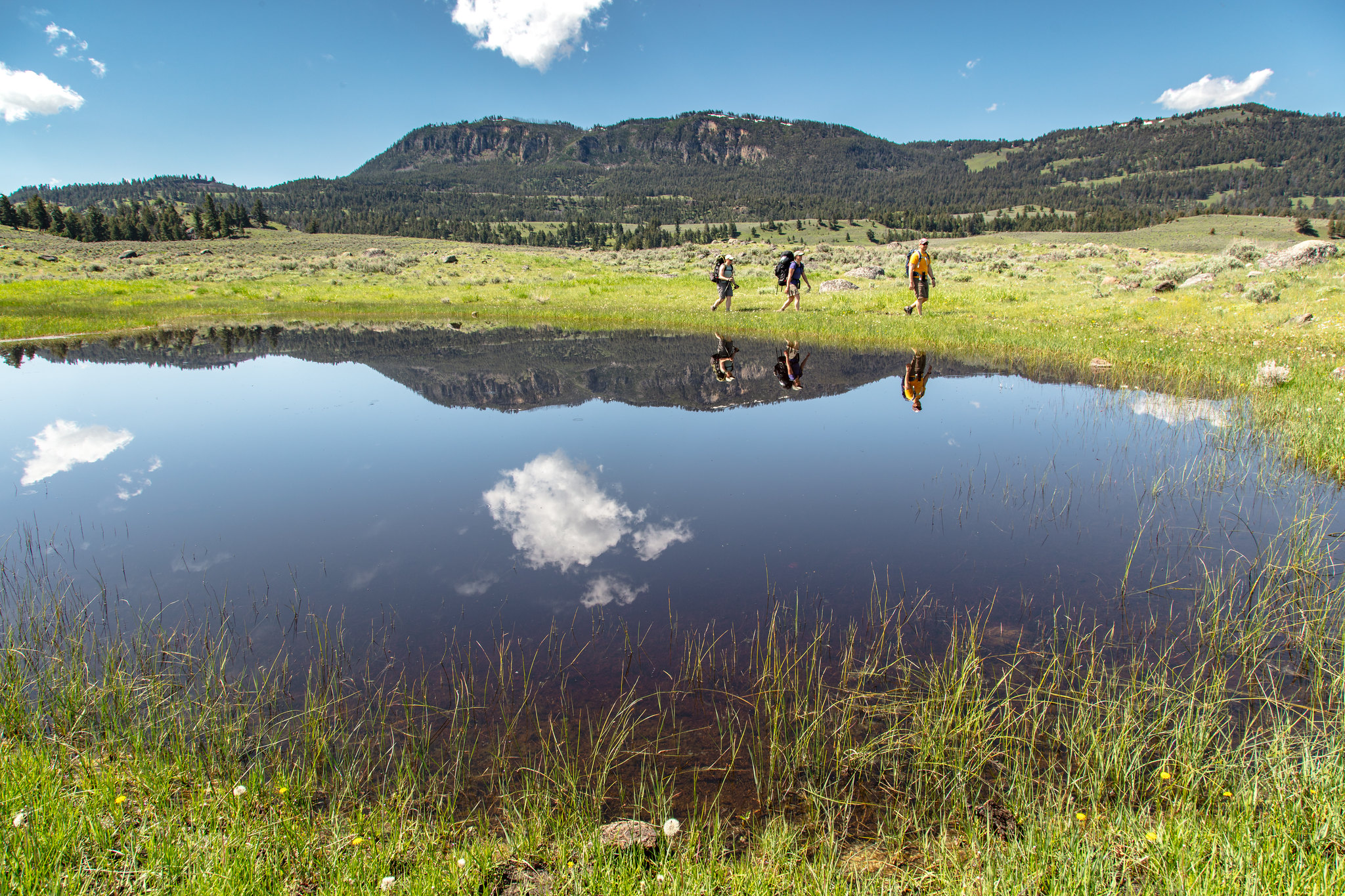
Hellroaring Trailhead (2K8)
~10 min drive
Nestled a 1/4-mile (0.4-km) off the Grand Loop Road, this trailhead provides access to the following trails: Buffalo Plateau Trail Coyote Creek Trail Garnet Hill Loop Trail Hellroaring Creek Trail There is a decent amount of parking at the trailhead. Buffalo Plateau Trai…
Burned Trees
~13 min drive
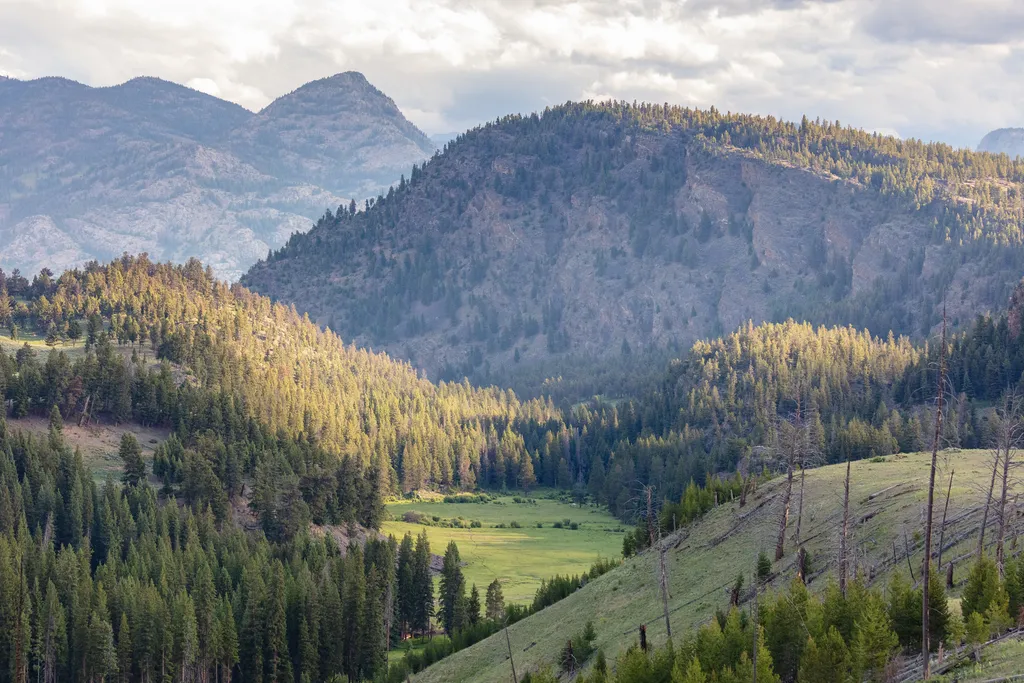
<p>Burned trees and those that have died for other reasons still contribute to the ecosystem. For example, dead standing trees provide nesting cavities for many types of animals; fallen trees provide food and shelter for animals and nutrients for the soil. However, park manage…
Garnet Hill Loop Trailhead (2K2)
~13 min drive
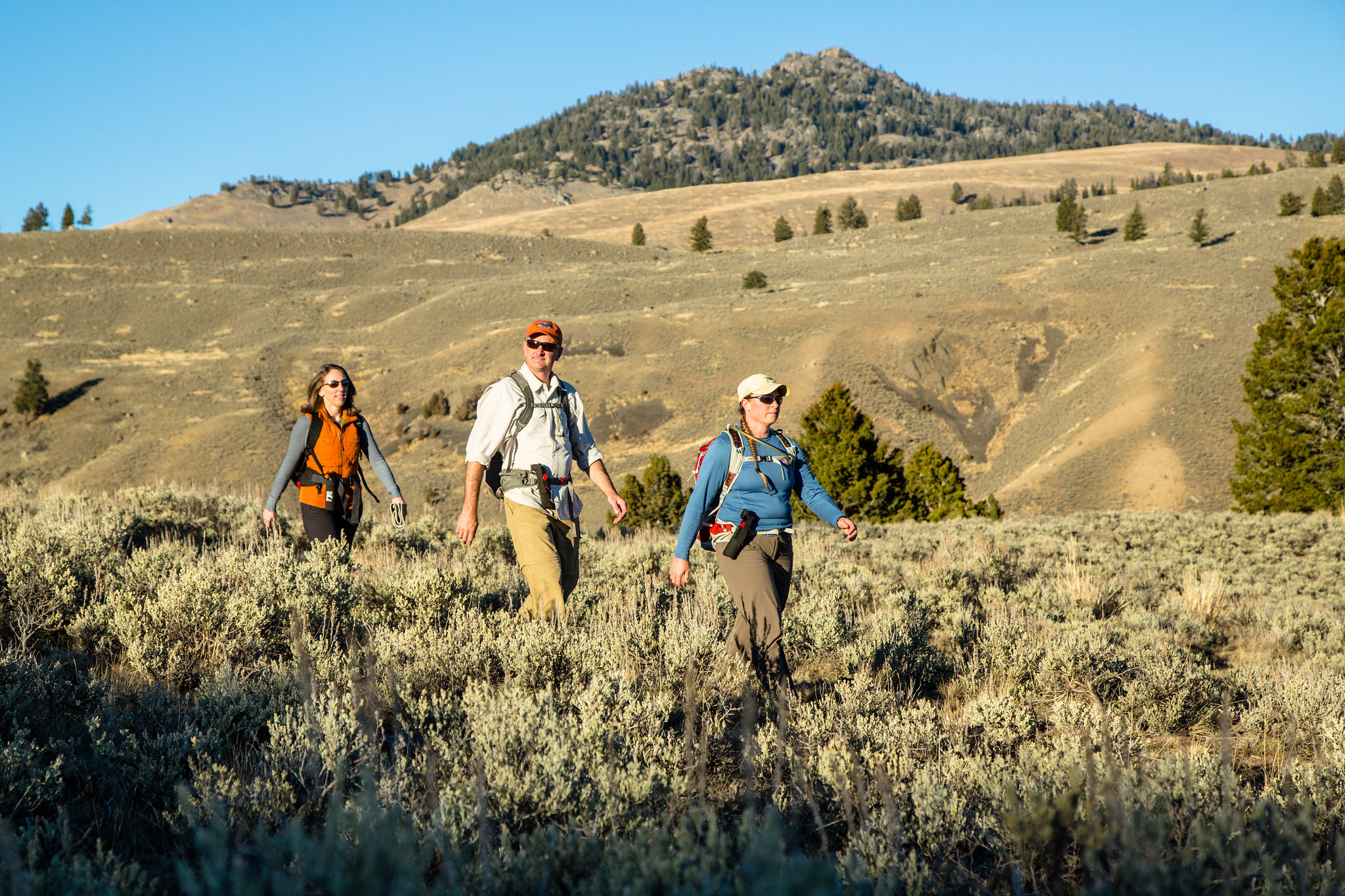
Situated in Pleasant Valley near Tower Junction, this trailhead provides access to the following trail: Garnet Hill Loop Trail There is very limited parking at this trailhead. However, a large parking lot is located at the Tower Junction Trailhead just to the south. Garnet…
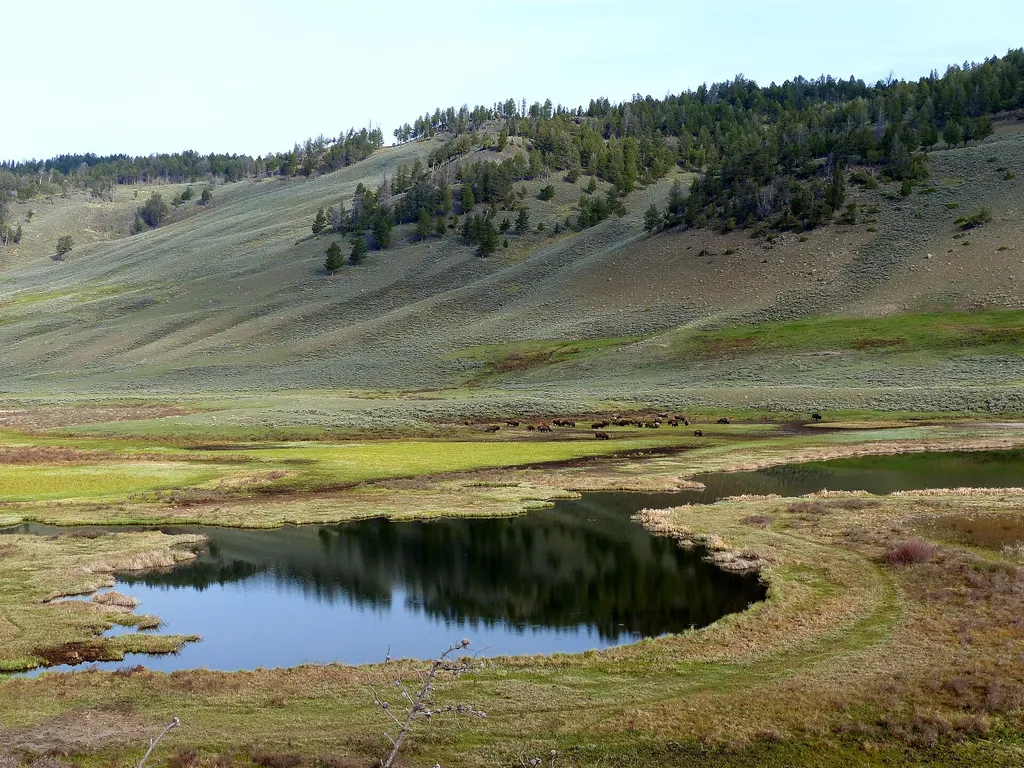
Fire is a Fundamental Force
~13 min drive
<p>Fires are a natural part of the Greater Yellowstone Ecosystem and plants have adapted to fire and in some cases may be dependent on it.</p> <p>Fire promotes habitat diversity by removing the forest overstory, allowing different plant communities to become established, and p…
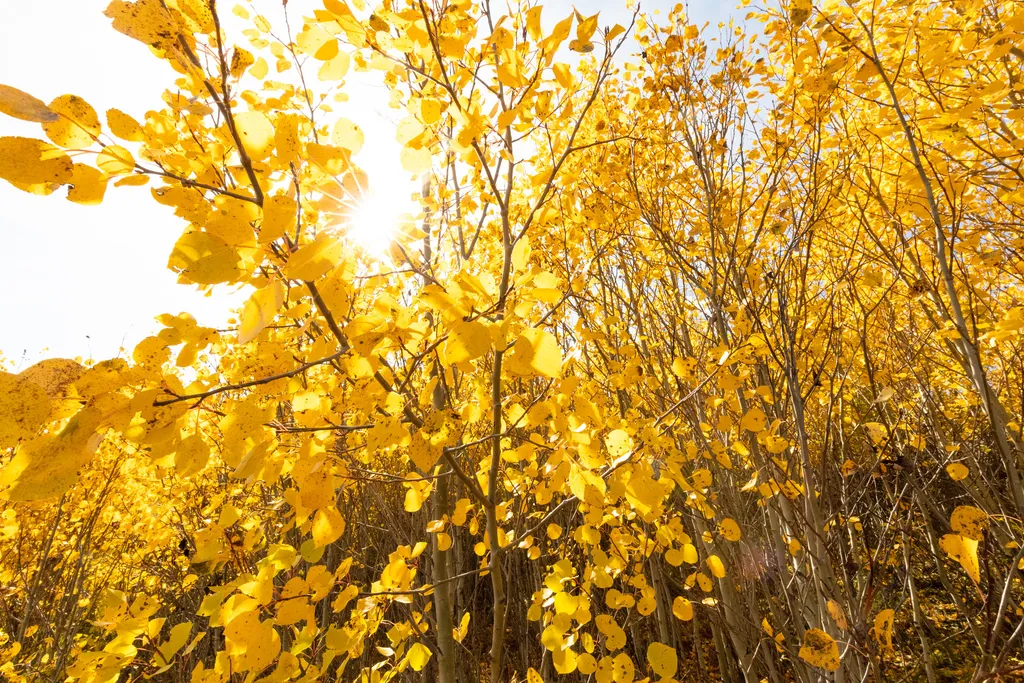
Trembling Aspens
~13 min drive
<p>Findings from research focusing on aspen forests indicate a possible shift in the distribution of this important species may already be underway.</p> <p>Before 1988, aspen regeneration was understood to occur primarily via vegetative root sprouting. Aspen seedlings, rarely…
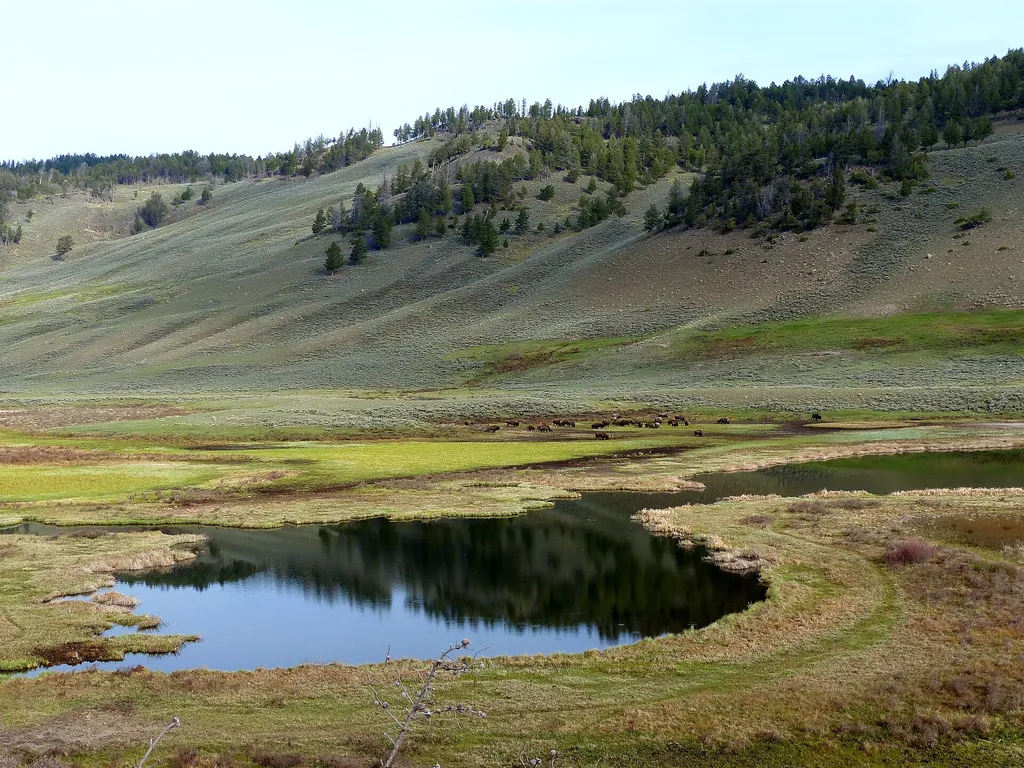
What's Blooming
~13 min drive
<p>Many park researchers have used the fenced areas on the northern range north of the Blacktail Ponds to study the long-term effects of grazing by fencing out large herbivores. Researchers can use existing data from the permanent plots or collect new data.</p>
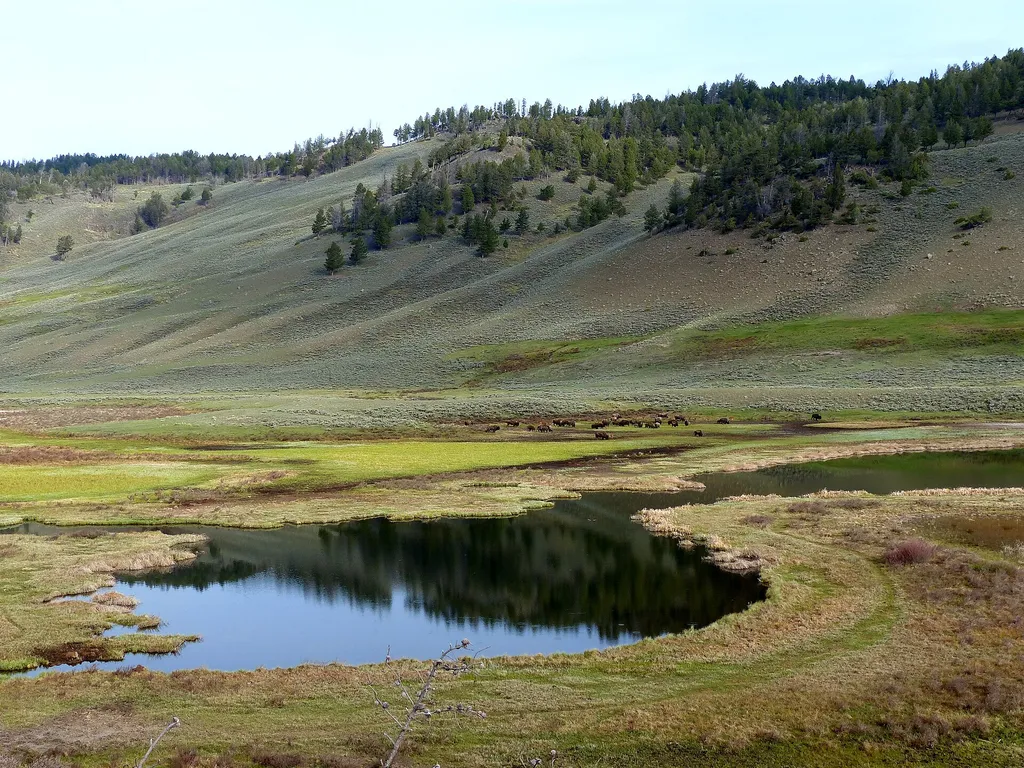
Wolf Tracks
~13 min drive
<p>Wolves have abundant prey in the northern range. For example, the carcasses of elk, bison, and other large mammals each become ecosystems of their own.</p> <p>Researchers have identified at least 57 species of beetle associated with these ungulate carcasses on the northern…
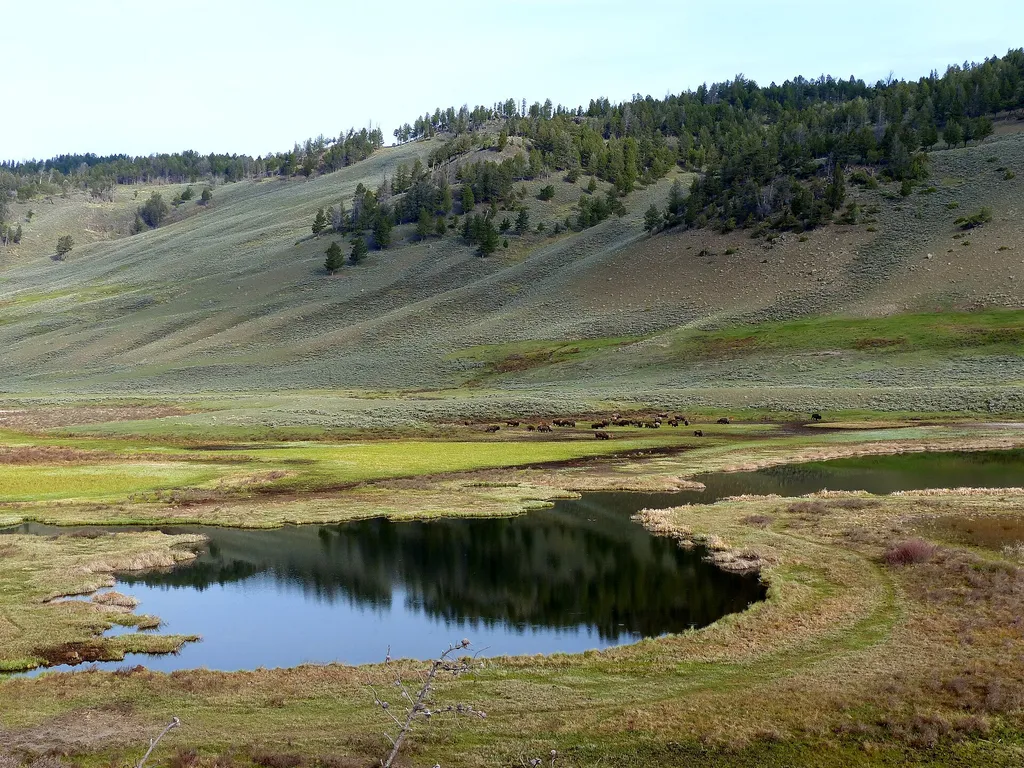
The Land Tells the Story
~13 min drive
<p>Each species—no matter how small—has an important role to play in a functioning ecosystem. They all participate in various ecosystem processes like transferring energy, providing nutrient storage, or breaking down pollutants.</p> <p>That is why biological diversity, or biod…
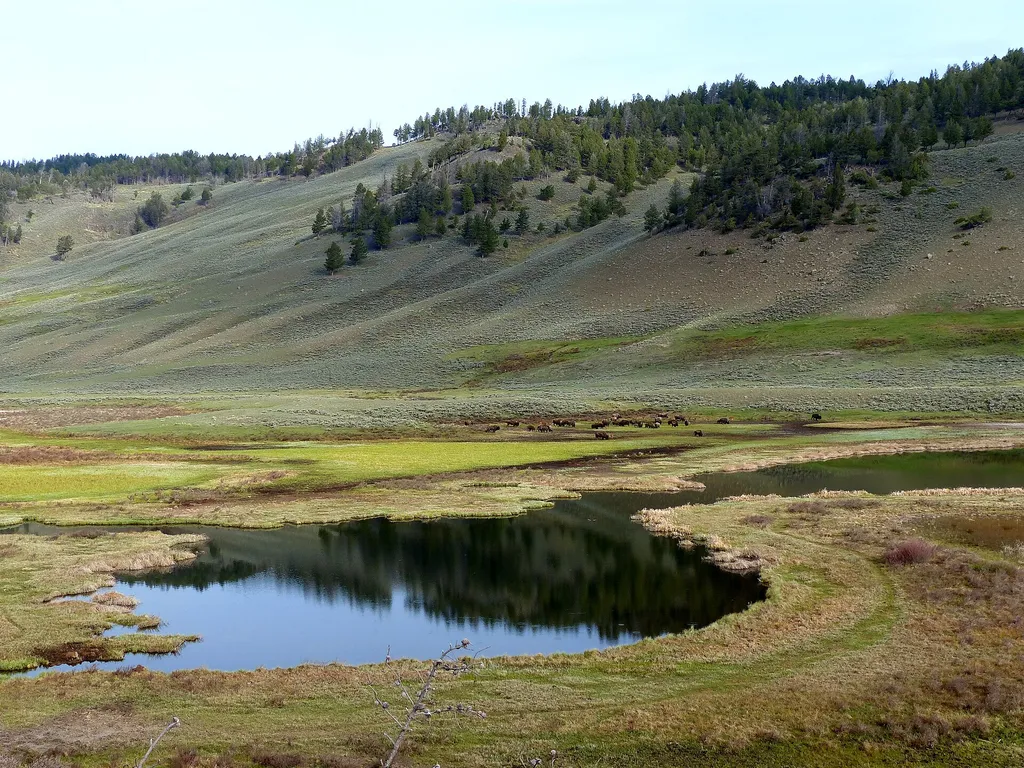
A Wildlife Paradise
~13 min drive
<p>Many of the park’s ungulates spend the winter in Yellowstone’s northern range. The area provides critical winter habitat for elk, bison, deer, and pronghorn.</p> <p>Elevations are lower and the area receives less snow than elsewhere in the park. Often the ridge tops and sou…
Also worth it near here