Loading trail…
Colorado · Fishing
Colorado fishing covers a lot of ground — literally. The state's 410-plus listed spots range from high-country river stretches like Upper Piney near Vail and the Cascade area near Nathrop, to plains reservoirs like Jumbo Reservoir near
200 spots9 townsUpdated dailyFree to access
View on mapFishing · 200 spots
Colorado fishing covers a lot of ground — literally. The state's 410-plus listed spots range from high-country river stretches like Upper Piney near Vail and the Cascade area near Nathrop, to plains reservoirs like Jumbo Reservoir near Crook and Hasty Lake near Hasty, to urban ponds like Blue Heron Pond Northeast near Denver and North Gateway Park Pond #1 near Lamar. That variety means you can find fishable water almost any month of the year if you're willing to move with the seasons. Mountain river access tends to open up meaningfully after runoff settles, usually late June into July depending on snowpack, while lower-elevation lakes and reservoirs like Ridgway Reservoir near Ridgway and McPhee Recreation Complex near Dolores fish well earlier in spring and again in fall. Ponds near the Front Range — Shavano Pond near Salida, Mann-Nyholt Lake near Brighton — are solid options when you want a shorter drive or a lower-stakes outing. Whether you're wade-fishing a river corridor near Jefferson or casting from the bank at Rampart Reservoir Recreation Area near Woodland Park, Colorado's spread of water types means the limiting factor is usually planning, not availability.
Yes, a valid Colorado fishing license is required at all waters listed here. Some designated areas and certain state wildlife areas may require an additional habitat stamp or have special regulations posted on-site, so check Colorado Parks and Wildlife's regulation booklet for the specific water you're targeting before you go.
Lower-elevation reservoirs like Ridgway Reservoir near Ridgway, McPhee Recreation Complex near Dolores, and Jumbo Reservoir near Crook typically fish well from late March through May and again in September and October when water temperatures cool. High-elevation lake options like Twin Lakes Lower near Twin Lakes and Hinman Reservoir near Kremmling are more productive from mid-July through early fall once ice-off is complete and runoff has cleared.
 pond
pondLake fishing
Denver, Colorado
Lake fishing
Meeker, Colorado

Lake fishing
Grand Mesa, Colorado
Lake fishing
Altona, Colorado

Lake fishing
Mesa, Colorado
lakeLake fishing
Pueblo, Colorado

Lake fishing
Gypsum, Colorado
Lake fishing
Antonito, Colorado
riverRiver fishing
Cañon City, Colorado
reservoirLake fishing
Arvada, Colorado
Lake fishing
Hayden, Colorado
Lake fishing
Carbondale, Colorado
Lake fishing
Collbran, Colorado
reservoirLake fishing
Aurora, Colorado
Lake fishing
Estes Park, Colorado
Lake fishing
Leadville, Colorado
Lake fishing
Gypsum, Colorado
Lake fishing
Nederland, Colorado
lakeLake fishing
Brighton, Colorado
Lake fishing
Basalt, Colorado
River fishing
Salida, Colorado
River fishing
Lakewood, Colorado
lakeLake fishing
Estes Park, Colorado
River fishing
La Veta, Colorado
Early morning and the two hours before dark are consistently the most productive windows on Colorado river stretches, especially in summer when midday heat pushes fish deep or into shaded lies. On tailwaters and freestone streams near Nathrop and Vail, afternoon hatches can also trigger surface activity, so it's worth watching the water before you assume nothing is rising.
Yes. Ponds and smaller lakes tend to be the most accessible and forgiving — Blue Heron Pond Northeast near Denver, Shavano Pond near Salida, and North Gateway Park Pond #1 near Lamar are all listed as lake or pond fishing with straightforward bank access. These spots work well for kids and newer anglers who want a relaxed setup without navigating wading currents or long hikes.
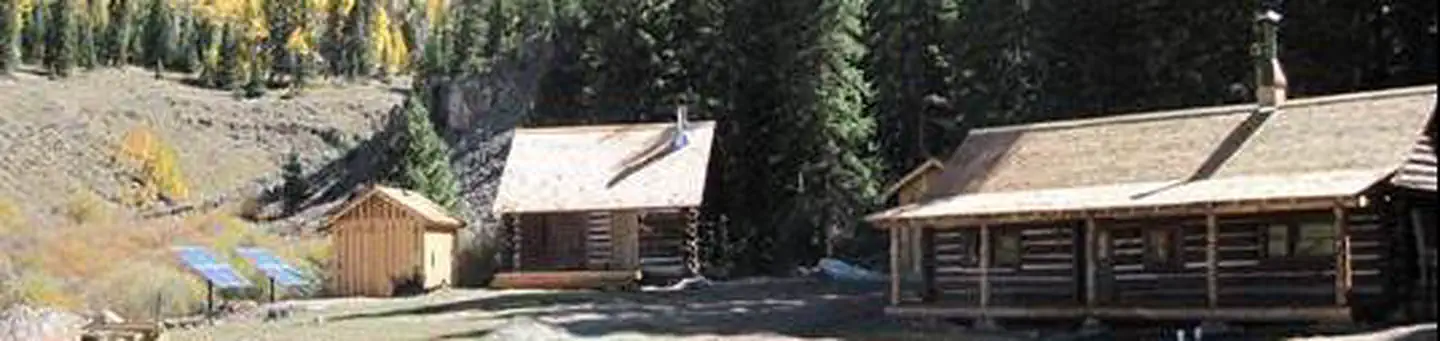
A 9-foot, 5-weight fly rod handles most river situations from Upper Piney to Seedhouse Guard Station near Clark, and doubles reasonably well on smaller ponds. If you're also hitting larger reservoirs like McPhee or Ridgway, a medium-action spinning rod in the 6- to 7-foot range with 6- to 8-pound monofilament gives you more flexibility for casting heavier lures or bait rigs from the bank or a boat.