Loading trail…
Colorado · Camping
Colorado has over 1,300 camping options on Roamze, ranging from full-hookup RV parks like Manor RV Park near Estes Park and Gunnison KOA near Gunnison to true dispersed sites like Lodgepole near Grand Lake and the Gordon Gulch Dispersed Camping Area outside Boulder.
200 spots9 townsUpdated weeklyFree to access
View on mapCamping · 200 spots
Colorado has over 1,300 camping options on Roamze, ranging from full-hookup RV parks like Manor RV Park near Estes Park and Gunnison KOA near Gunnison to true dispersed sites like Lodgepole near Grand Lake and the Gordon Gulch Dispersed Camping Area outside Boulder. The spread is wide: you can pull a trailer into Transfer Park Campground near Durango or hike to Thunder Lake CS #3 near Allenspark with everything on your back. Most of the state's developed campgrounds sit between roughly 7,000 and 10,000 feet, which matters for trip planning more than people expect — afternoon thunderstorms roll in fast above treeline from late June through August, and nighttime temps can drop into the 30s even in midsummer. The southwest corner around Durango and Pagosa Springs (Lower Hermosa, East Fork, Chris Park) tends to see a longer shoulder season than the high-country sites near Crested Butte or Estes Park, where snow can linger into June and return by October. Dispersed spots like Ute Meadow and Moore Park near Estes Park or Ponderosa River Camp near Maybell offer more solitude but require more self-sufficiency. With 1,336 active listings across the state, the options are genuinely broad — the trick is matching the right site type to your gear, your timeline, and how far you want to be from a flush toilet.
Late June through early September covers the widest range of open sites, including high-elevation campgrounds near Crested Butte and Estes Park that may still have snow access issues in May and early June. If you want to avoid crowds and don't mind cooler nights, late August through mid-September is a strong window — sites like Conejos Campground near Antonito and Road Canyon Campground near Creede are far less packed after Labor Day. Lower-elevation spots near Durango, Delta, and Maybell can be comfortable from April through October.
It depends on the site type. Developed campgrounds like Rocky Ridge Campground near Lake George, Lynx Pass Campground near Toponas, and Goose Creek Campground near Sedalia typically require or strongly benefit from advance reservations, especially on summer weekends. Dispersed areas like Gordon Gulch near Boulder or Ponderosa River Camp near Maybell are generally first-come, first-served with no reservation system, but they also have no facilities and may have stay limits — usually 14 days on National Forest land.
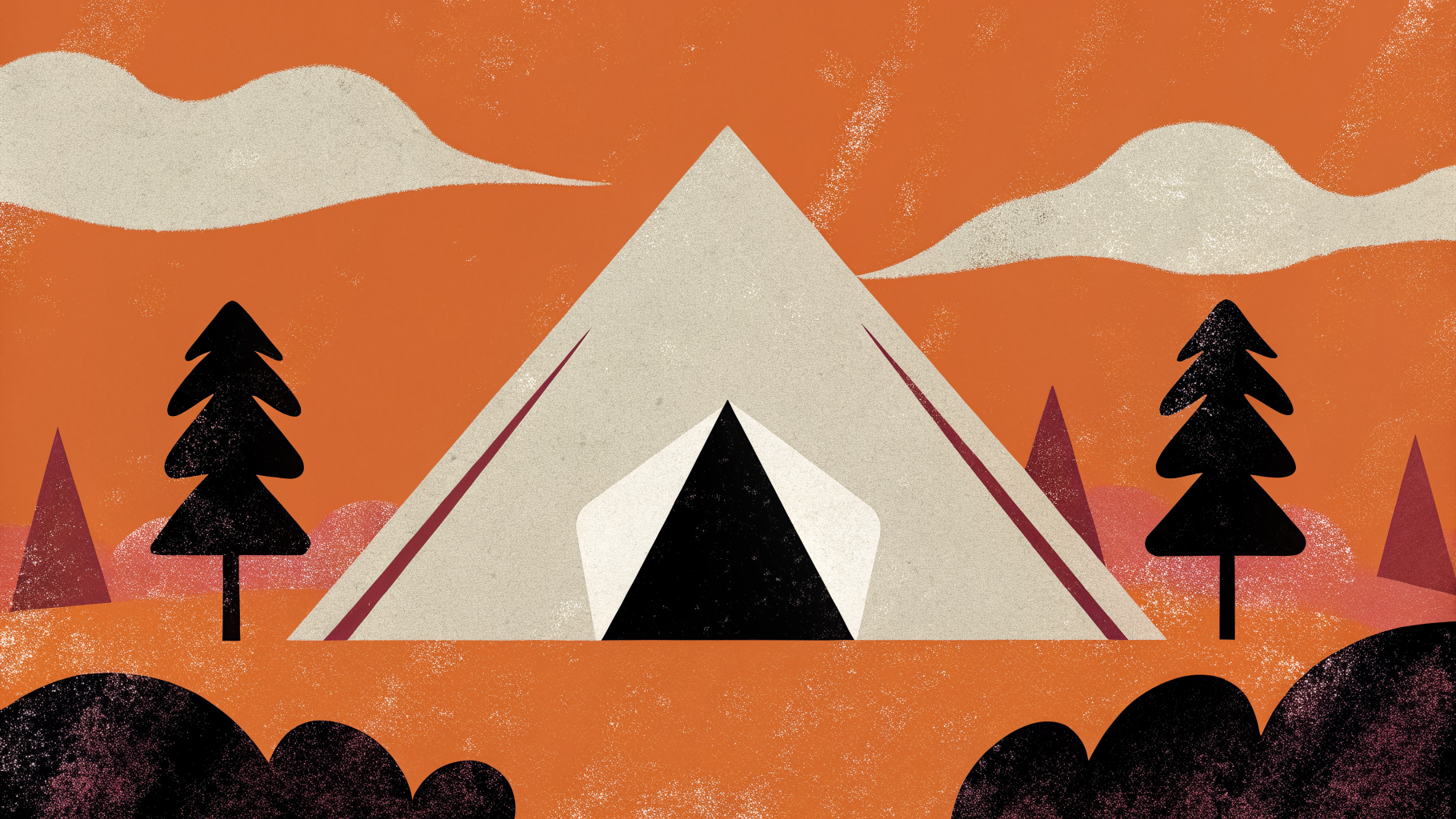
Dispersed camping
Nederland, Colorado
Dispersed camping
Nederland, Colorado
Camping
Granby, Colorado
Camping
Bellvue, Colorado
Camping
Bellvue, Colorado
Camping
Bellvue, Colorado
Camping
Bellvue, Colorado
Camping
Bellvue, Colorado
Camping
Buffalo Creek, Colorado
Camping
Buffalo Creek, Colorado
Camping
Buffalo Creek, Colorado
Camping
Buffalo Creek, Colorado
Camping
Buffalo Creek, Colorado
Camping
Buffalo Creek, Colorado
Camping
Buffalo Creek, Colorado
Camping
Buffalo Creek, Colorado
Camping
Buffalo Creek, Colorado
Camping
Buffalo Creek, Colorado
Camping
Sedalia, Colorado
Camping
Sedalia, Colorado
Camping
Buffalo Creek, Colorado
Camping
Buffalo Creek, Colorado
Camping
Buffalo Creek, Colorado
Camping
Buffalo Creek, Colorado
A sleeping bag rated to at least 20°F is practical for most Colorado summer camping, even at mid-elevation sites like Beaver Creek Site 2 near South Fork or East Fork Campground near Pagosa Springs. Rain gear and a layer of insulation are non-negotiable — afternoon thunderstorms are a daily pattern in July and August, and they move fast. If you're heading to dispersed sites without water access, plan to carry a filter or purification tablets and bring more water than you think you need, since altitude increases dehydration.
Fire restrictions in Colorado change frequently based on drought conditions and are managed at the county and forest level, not statewide. Developed campgrounds like Buffalo Campground near Bailey or Chris Park near Durango will typically post current fire restrictions at the entrance, and you can check the relevant National Forest or BLM office website before you go. Dispersed camping areas require extra caution since there's no on-site ranger to ask — always check current restrictions before your trip, especially between June and September.
Campgrounds like La Plata City Campground near Hesperus or Cottonwood Grove Campground near Delta are designated sites with at least some infrastructure — a fire ring, a picnic table, and often vault toilets or running water. Dispersed camping sites like Ute Meadow or Moore Park near Estes Park are areas where you can camp on public land without a designated spot, which means more flexibility and solitude but no facilities, no trash service, and more responsibility for Leave No Trace practices. Dispersed sites are generally free but may have vehicle access limitations depending on road conditions.