Loading trail…

Colorado · Hiking
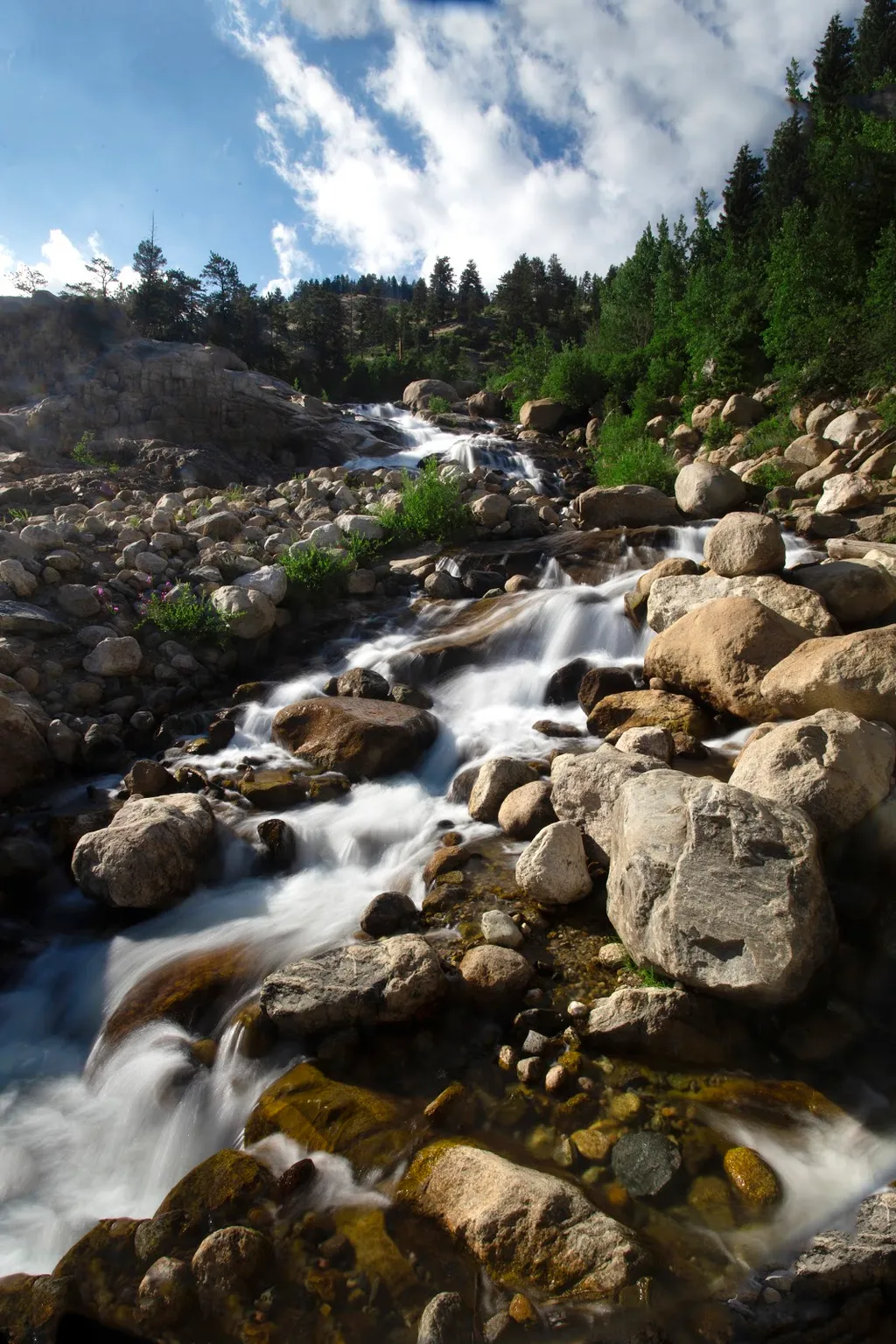
Estes Park sits at the eastern edge of Rocky Mountain National Park, which means nearly every hike out of town puts you somewhere worth being. The range here is genuinely wide.
51 spotsUpdated weeklyFree to access
View on mapHiking · 51 spots
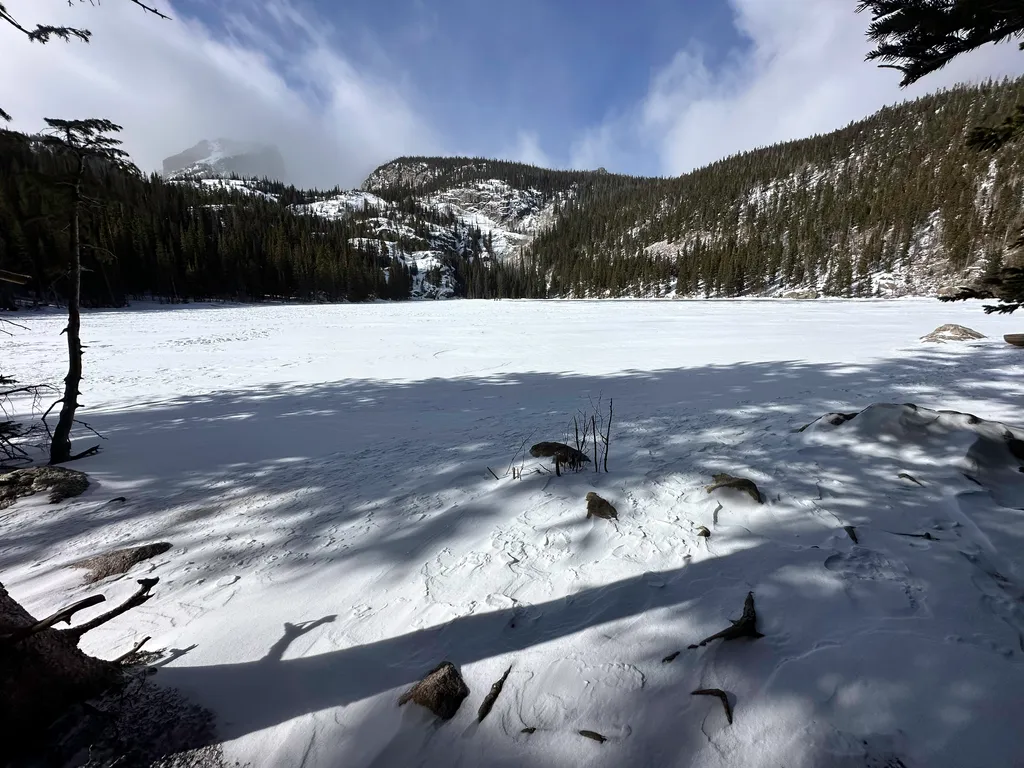
Estes Park sits at the eastern edge of Rocky Mountain National Park, which means nearly every hike out of town puts you somewhere worth being. The range here is genuinely wide. Bear Lake Trail is a 0.7-mile loop with only 17 feet of gain -- flat enough for young kids or anyone easing into altitude -- while Emerald Lake Trail covers 1.6 miles out-and-back with 632 feet of gain and rewards you with a subalpine lake that earns its name. If you want a full day out, Longs Peak is the benchmark: 12.9 miles out-and-back with 4,668 feet of gain, rated expert, and not a trail to underestimate. Lily Mountain offers a middle ground at 2.0 miles and 1,045 feet of gain on an easy-rated out-and-back that still gives you real views without committing to a summit push. Trails along Trail Ridge Road -- Rock Cut, Lava Cliffs, Medicine Bow Curve -- add high-elevation options that are short in distance but sit well above treeline. One logistical reality shapes every trip here: Rocky Mountain National Park requires timed entry reservations during peak season, and Bear Lake Road has its own separate reservation tier. Sort that out before you book anything else.
Yes, during peak season RMNP requires timed entry reservations, and Bear Lake Road -- which accesses trailheads for Bear Lake Trail, Emerald Lake Trail, and Lake Haiyaha Trail -- has its own separate reservation requirement on top of the general park entry. Check the park's reservation system before your trip and book as early as the window opens, because these sell out fast.
Start early, especially for anything above treeline. Afternoon thunderstorms build quickly in summer and can roll in by early afternoon on exposed routes like Longs Peak or the Trail Ridge Road walks at Rock Cut and Lava Cliffs. On Longs Peak specifically, most experienced hikers are moving by 3 or 4 a.m. to clear the summit before weather arrives.
UnknownHiking
Estes Park, Colorado
 Unknown
Hiking
Estes Park, Colorado
 Loop
LoopHiking
Estes Park, Colorado
 Loop
LoopHiking
Estes Park, Colorado
 Out & back
Hiking
Estes Park, Colorado
 Unknown
Hiking
Estes Park, Colorado
 Unknown
Hiking
Estes Park, Colorado
UnknownHiking
Estes Park, Colorado
 Unknown
Hiking
Estes Park, Colorado
 Out & back
Hiking
Estes Park, Colorado
UnknownHiking
Estes Park, Colorado
Out & backHiking
Estes Park, Colorado
 Unknown
Hiking
Estes Park, Colorado
UnknownHiking
Estes Park, Colorado
 Out & back
Hiking
Estes Park, Colorado
 Unknown
Hiking
Estes Park, Colorado
Out & backHiking
Estes Park, Colorado
UnknownHiking
Estes Park, Colorado
 Out & back
Hiking
Estes Park, Colorado
 Unknown
Hiking
Estes Park, Colorado
Out & backHiking
Estes Park, Colorado
 Unknown
Hiking
Estes Park, Colorado
 Out & back
Hiking
Estes Park, Colorado
LollipopHiking
Estes Park, Colorado
UnknownHiking
Estes Park, Colorado
Out & backHiking
Estes Park, Colorado
Out & backHiking
Estes Park, Colorado
Out & backHiking
Estes Park, Colorado
UnknownHiking
Estes Park, Colorado
No. At 12.9 miles out-and-back with 4,668 feet of gain and an expert difficulty rating, Longs Peak is a serious mountaineering objective that involves a technical section near the summit called the Keyhole Route. Hikers should have solid experience with long, steep trails, be comfortable with exposure, and understand altitude acclimatization before attempting it.
Bear Lake Trail is the most accessible -- 0.7 miles, loop format, and only 17 feet of gain -- and gives you a legitimate alpine lake without the physical demand. West Creek at 2.6 miles and 622 feet of gain and Emerald Lake Trail at 1.6 miles and 632 feet are reasonable next steps once you have a day to adjust to elevation. Give yourself at least one full day in Estes Park before pushing hard, since the town itself sits above 7,500 feet.
July through September offers the most reliable trail access, though snowpack can linger on higher routes into early summer. Fall brings good conditions and the aspen color along Bear Lake Road typically peaks in late September. Winter and spring are possible on lower trails but Trail Ridge Road closes seasonally and many high-elevation routes require snowshoes or crampons well into May or June.