Loading trail…

Colorado · Hiking
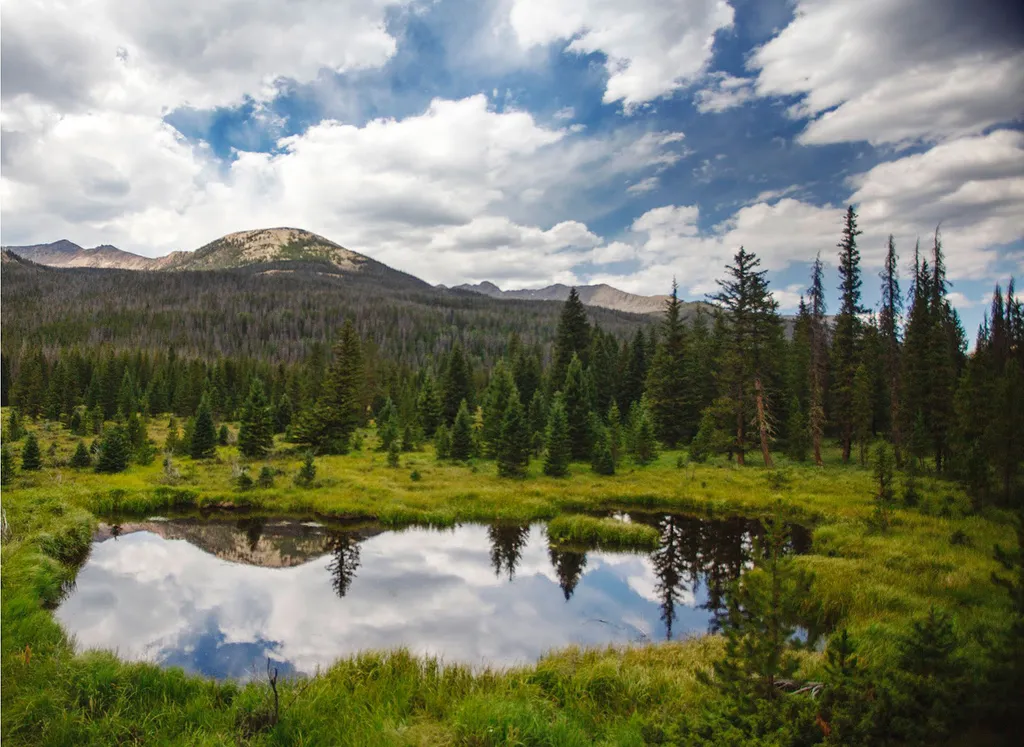
Grand Lake sits at the western entrance to Rocky Mountain National Park, which means most of the hiking here runs through the Kawuneeche Valley along the Colorado River corridor or climbs into the Never Summer Mountains and the park's backcountry.
44 spotsUpdated weeklyFree to access
View on mapHiking · 44 spots
Grand Lake sits at the western entrance to Rocky Mountain National Park, which means most of the hiking here runs through the Kawuneeche Valley along the Colorado River corridor or climbs into the Never Summer Mountains and the park's backcountry. The trail mix skews more accessible than people expect. Short, flat routes like the Colorado River Trail (1.0 mi, 15 ft gain) and Lost Lake (0.6 mi, 5 ft gain) work well for families or anyone acclimatizing to elevation, while longer efforts like the East Inlet Trail (6.7 mi, 2,540 ft gain) and the Grand Ditch Trail (15.0 mi) give strong hikers a full day out. Mid-range options fill in the gaps: Illinois Pass is a 3.6-mile loop with 826 ft of gain, Blue Ridge covers 3.5 miles with 929 ft, and Bowen Lake packs 1,052 ft of gain into just 1.7 miles. The Holzwarth Historic Site and Beaver Ponds Picnic Area add cultural and wildlife-watching stops that don't require much exertion. Fall color season on the west side of RMNP draws serious crowds in late September, particularly along the valley floor routes. With 44 active listings in the area, there's enough variety here to fill several days without repeating terrain.
Rocky Mountain National Park has used a timed-entry permit system for vehicle access during peak season, and the rules have changed year to year. Check the official NPS reservation page before your trip rather than relying on prior-year information. Trailheads like the Colorado River Trailhead and the East Inlet Trailhead fall within the park boundary, so permit requirements apply to driving in. Arriving before the permit window opens in the early morning is a common workaround, but confirm current hours on the NPS site.
July through early September offers the most reliable trail conditions, with most routes snow-free and accessible. The fall color window, typically mid-September to early October on the west side of RMNP, is worth planning around if aspen color is a priority. Snow can close higher routes like Illinois Pass and the East Inlet Trail well into June and return by October, so check current conditions through the Kawuneeche Visitor Center before heading out on anything with significant elevation gain.
UnknownHiking
Grand Lake, Colorado
 Out & back
Hiking
Grand Lake, Colorado
LoopHiking
Grand Lake, Colorado
 Lollipop
Hiking
Grand Lake, Colorado
Out & backHiking
Grand Lake, Colorado
 Out & back
Hiking
Grand Lake, Colorado
 Out & back
Hiking
Grand Lake, Colorado
 Out & back
Hiking
Grand Lake, Colorado
UnknownHiking
Grand Lake, Colorado
 Out & back
Hiking
Grand Lake, Colorado
Out & backHiking
Grand Lake, Colorado
 Out & back
Hiking
Grand Lake, Colorado
UnknownHiking
Grand Lake, Colorado
Out & backHiking
Grand Lake, Colorado
UnknownHiking
Grand Lake, Colorado
Out & backHiking
Grand Lake, Colorado
 Out & back
Hiking
Grand Lake, Colorado
UnknownHiking
Grand Lake, Colorado
Out & backHiking
Grand Lake, Colorado
 Out & back
Hiking
Grand Lake, Colorado
UnknownHiking
Grand Lake, Colorado
 Out & back
Hiking
Grand Lake, Colorado
 Unknown
Hiking
Grand Lake, Colorado
Out & backHiking
Grand Lake, Colorado
UnknownHiking
Grand Lake, Colorado
 Out & back
Hiking
Grand Lake, Colorado
Out & backHiking
Grand Lake, Colorado
 Out & back
Hiking
Grand Lake, Colorado
LoopHiking
Grand Lake, Colorado
Yes, several routes here are genuinely easy rather than just marketed that way. Lost Lake (0.6 mi, 5 ft gain), the short Colorado River Trail (1.0 mi, 15 ft gain), and the Bowen Gulch Interpretive Trail (1.0 mi loop, 93 ft gain) are all manageable for young children. The Beaver Ponds Picnic Area and Holzwarth Historic Site also offer low-effort outings with enough to hold kids' attention. Keep in mind that Grand Lake sits above 8,300 feet, so even flat walks can feel harder than expected if you're coming from low elevation.
Afternoon thunderstorms are common in summer, often building by early afternoon, so a rain layer is worth carrying even on clear mornings. Sun exposure is intense at this elevation, so sunscreen and a hat matter more than they would at lower altitudes. For anything beyond the valley-floor trails, bring trekking poles if you have them -- routes like Bowen Lake (1,052 ft gain in 1.7 mi) and Bill Creek (1,176 ft gain in 2.6 mi) are steep for their length. Water and snacks are essential; services are limited once you leave the Grand Lake town area.
The Kawuneeche Visitor Center on Highway 34 just north of Grand Lake is the main resource for the west side of the park. Staff there can give you current trail conditions, wilderness permit availability for overnight trips, and bear canister requirements for backcountry routes. The Wilderness Office listed in the activity data is also located on this side of the park and handles backcountry permits specifically. Stop in early in the day during peak season, as permit slots for popular overnight destinations fill quickly.