Loading trail…

Free — you'll pick up right here.
Watch this trail
Sign up to watch it — saving subscribes you to gate, closure and report changes.
Montana
13.6 mi
Distance
841 ft
Gain
We won't guess. Here is exactly what we do and don't know.
What we do know
Inside Custer Gallatin National Forest
3 managing-area boundaries mapped — agency alerts for them feed this page automatically.
Boundary data
What's missing
No access route mapped
We don't yet know which road reaches this trailhead, so we can't tell you if it's gated.
Nobody's filed a report here yet — be the first.
Why you'll love it
High Specimen
AI-suggested draft · review before you go
No permit or access details on file for this trail — check with the local land manager before you go.
High Specimen — Montana, 13.6 mi.
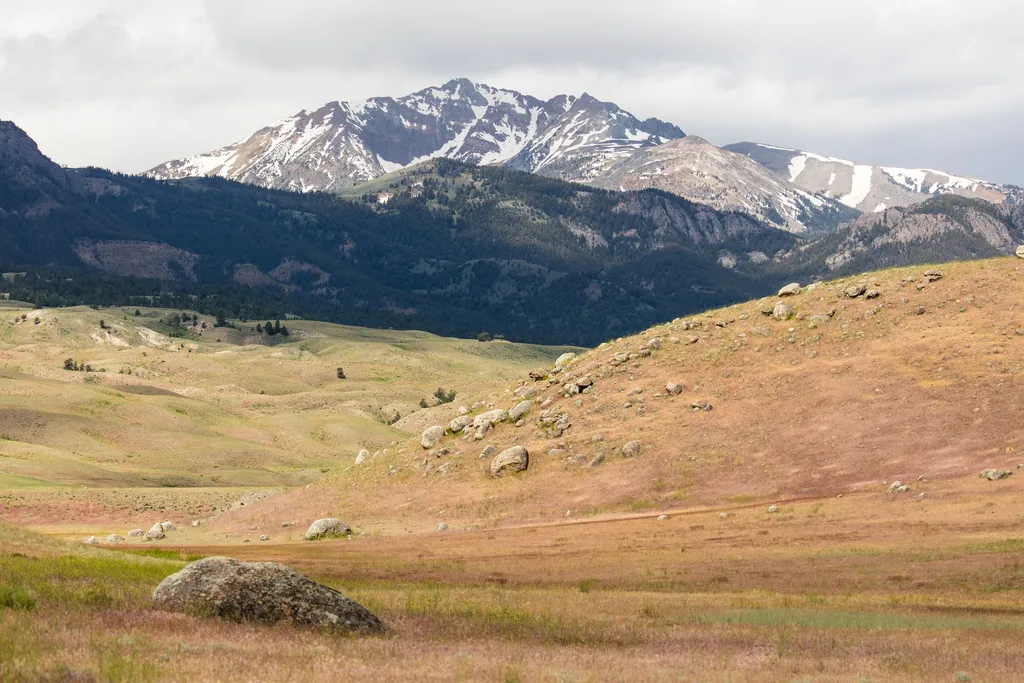
Rescue Creek Trailhead (1N2)
~11 min drive
Bunsen Peak prominently sits south of Mammoth Hot Springs. From this trailhead, you can embark on the following trails: Bunsen Peak Trail Bunsen Peak Road Trail Osprey Falls Trail Parking is limited. Winter trailhead access requires a snow coach drop-off, or skiing up from…
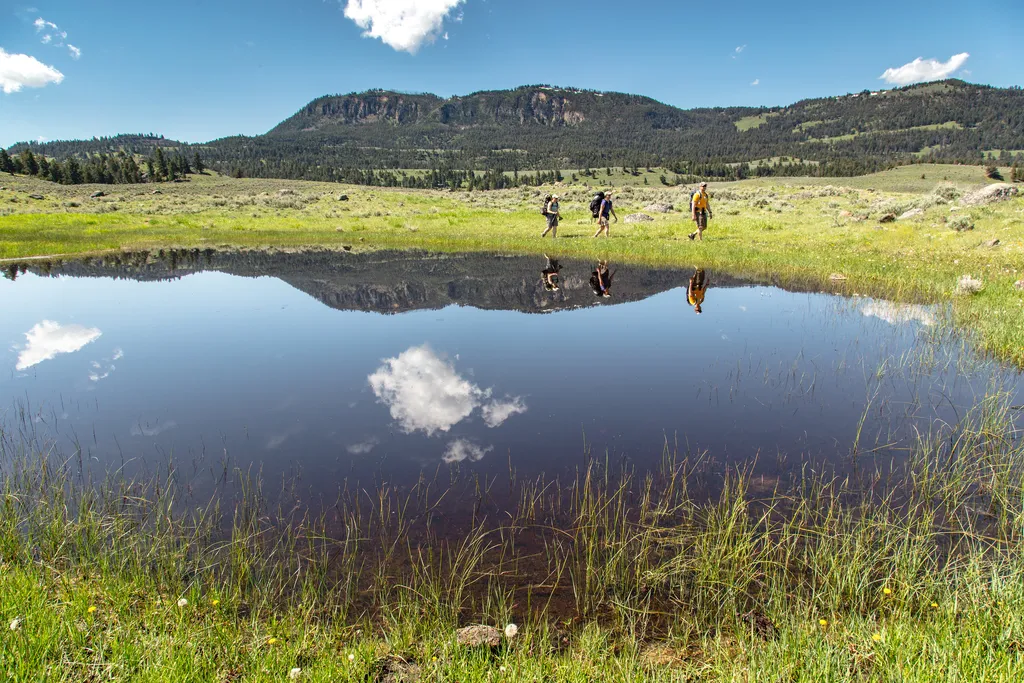
Upper Hellroaring Trailhead (2N5)
~12 min drive
This is a remote trailhead at the northern boundary of the park that is not accessible by road. From this trailhead, you can embark on the following trail within the park: Hellroaring Creek Trail
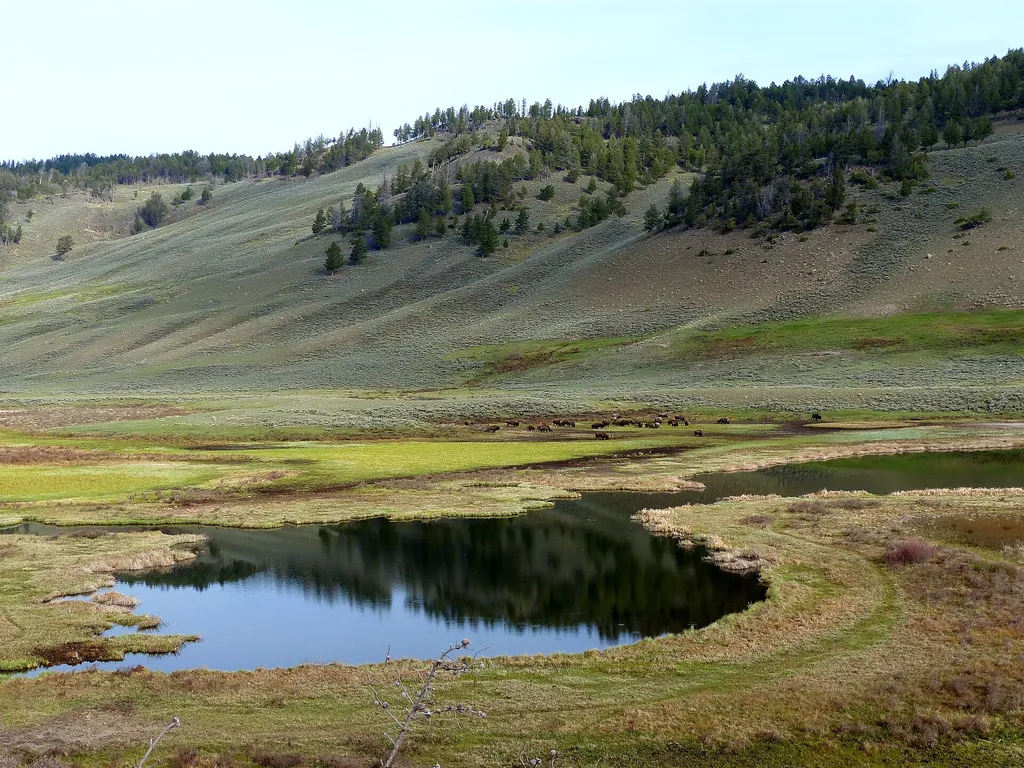
What's Blooming
~12 min drive
<p>Many park researchers have used the fenced areas on the northern range north of the Blacktail Ponds to study the long-term effects of grazing by fencing out large herbivores. Researchers can use existing data from the permanent plots or collect new data.</p>
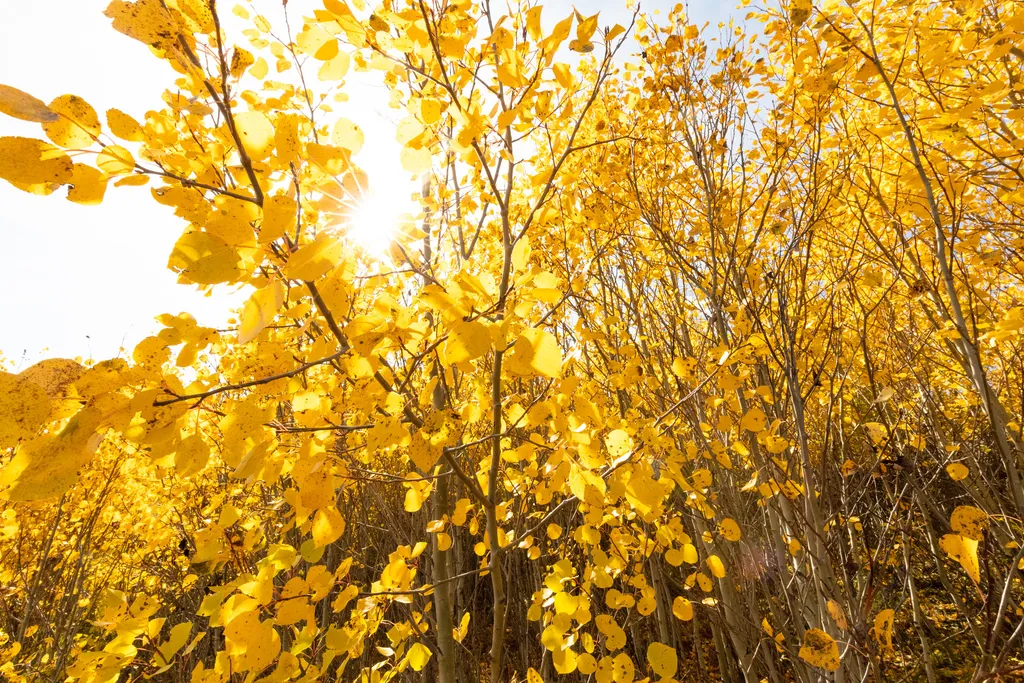
Trembling Aspens
~12 min drive
<p>Findings from research focusing on aspen forests indicate a possible shift in the distribution of this important species may already be underway.</p> <p>Before 1988, aspen regeneration was understood to occur primarily via vegetative root sprouting. Aspen seedlings, rarely…
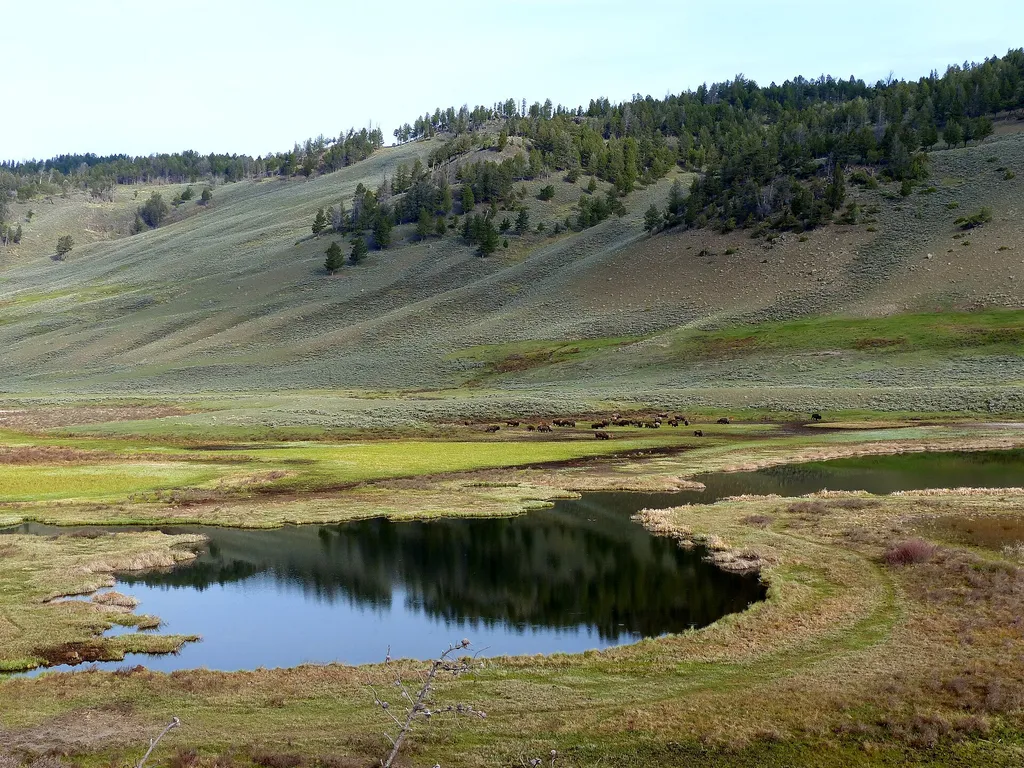
The Land Tells the Story
~12 min drive
<p>Each species—no matter how small—has an important role to play in a functioning ecosystem. They all participate in various ecosystem processes like transferring energy, providing nutrient storage, or breaking down pollutants.</p> <p>That is why biological diversity, or biod…
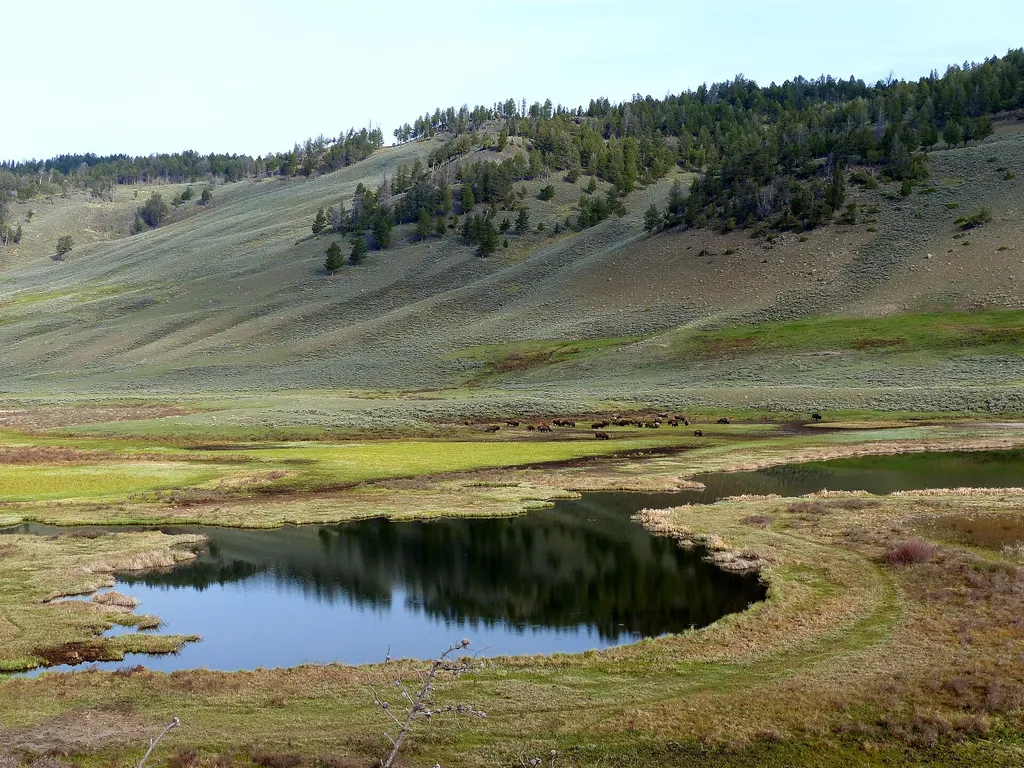
Fire is a Fundamental Force
~12 min drive
<p>Fires are a natural part of the Greater Yellowstone Ecosystem and plants have adapted to fire and in some cases may be dependent on it.</p> <p>Fire promotes habitat diversity by removing the forest overstory, allowing different plant communities to become established, and p…
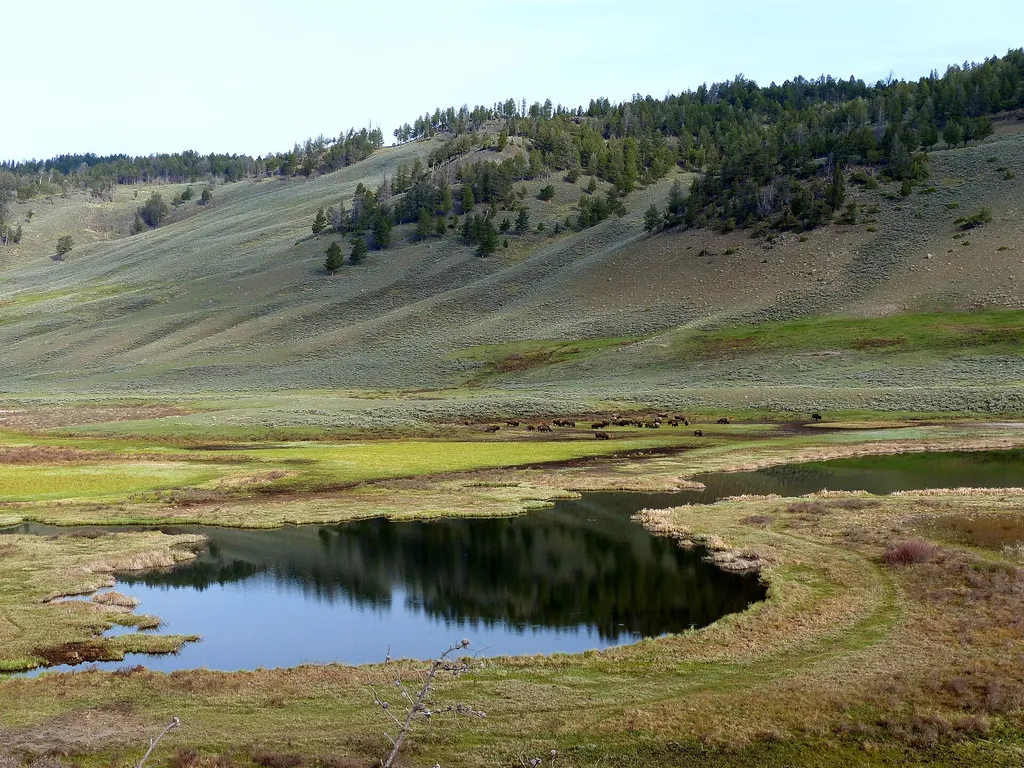
Glacial Boulder
~12 min drive
<p>Out-of-place boulders like this one and boulders bigger than your car, called an erratic, were deposited by a glacier.</p> <p>Glaciers result when, for a period of years, more snow falls in an area than melts.</p> <p>Once the snow reaches a certain depth, it turns into ice…
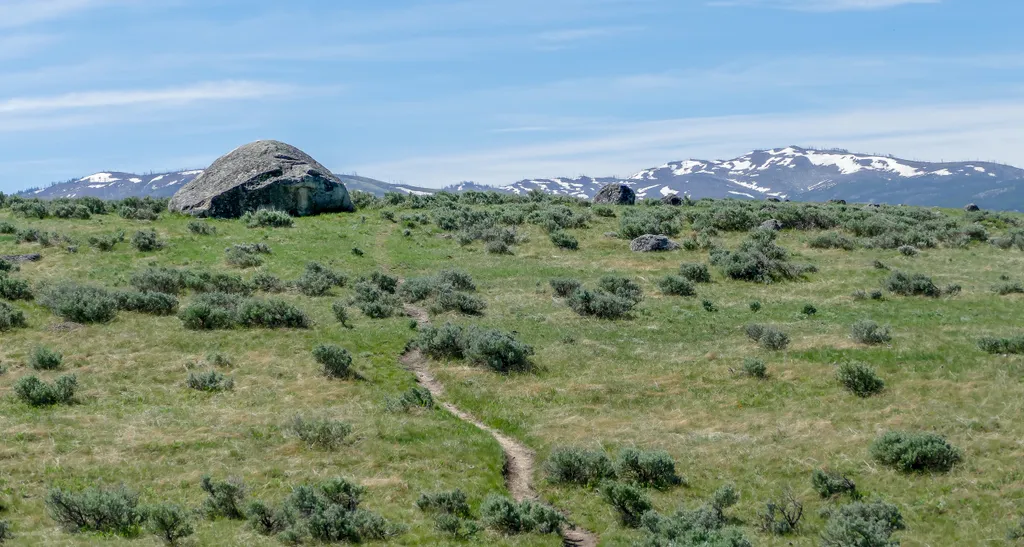
Mountain View
~12 min drive
<p>Because of the influence rock types, sediments, and topography have on plant distribution, some scientists theorize that geology also influences wildlife. The sagebrush steppe and grasslands provide important habitat for wildlife.</p>
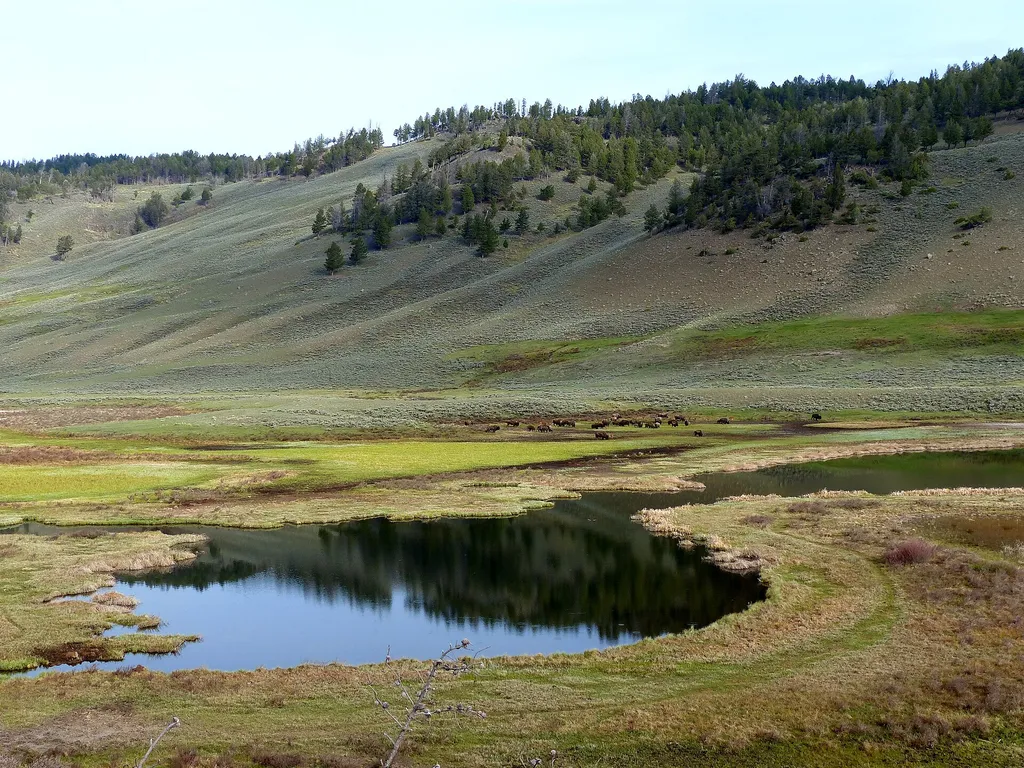
A Wildlife Paradise
~12 min drive
<p>Many of the park’s ungulates spend the winter in Yellowstone’s northern range. The area provides critical winter habitat for elk, bison, deer, and pronghorn.</p> <p>Elevations are lower and the area receives less snow than elsewhere in the park. Often the ridge tops and sou…
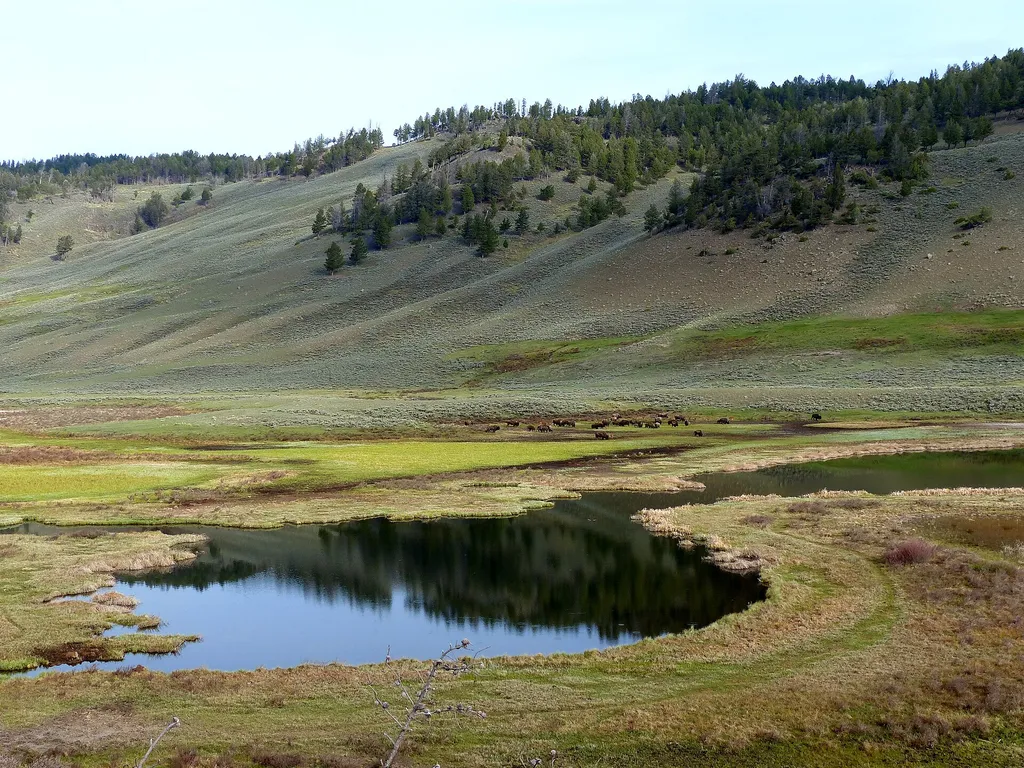
Wolf Tracks
~12 min drive
<p>Wolves have abundant prey in the northern range. For example, the carcasses of elk, bison, and other large mammals each become ecosystems of their own.</p> <p>Researchers have identified at least 57 species of beetle associated with these ungulate carcasses on the northern…
Also worth it near here